
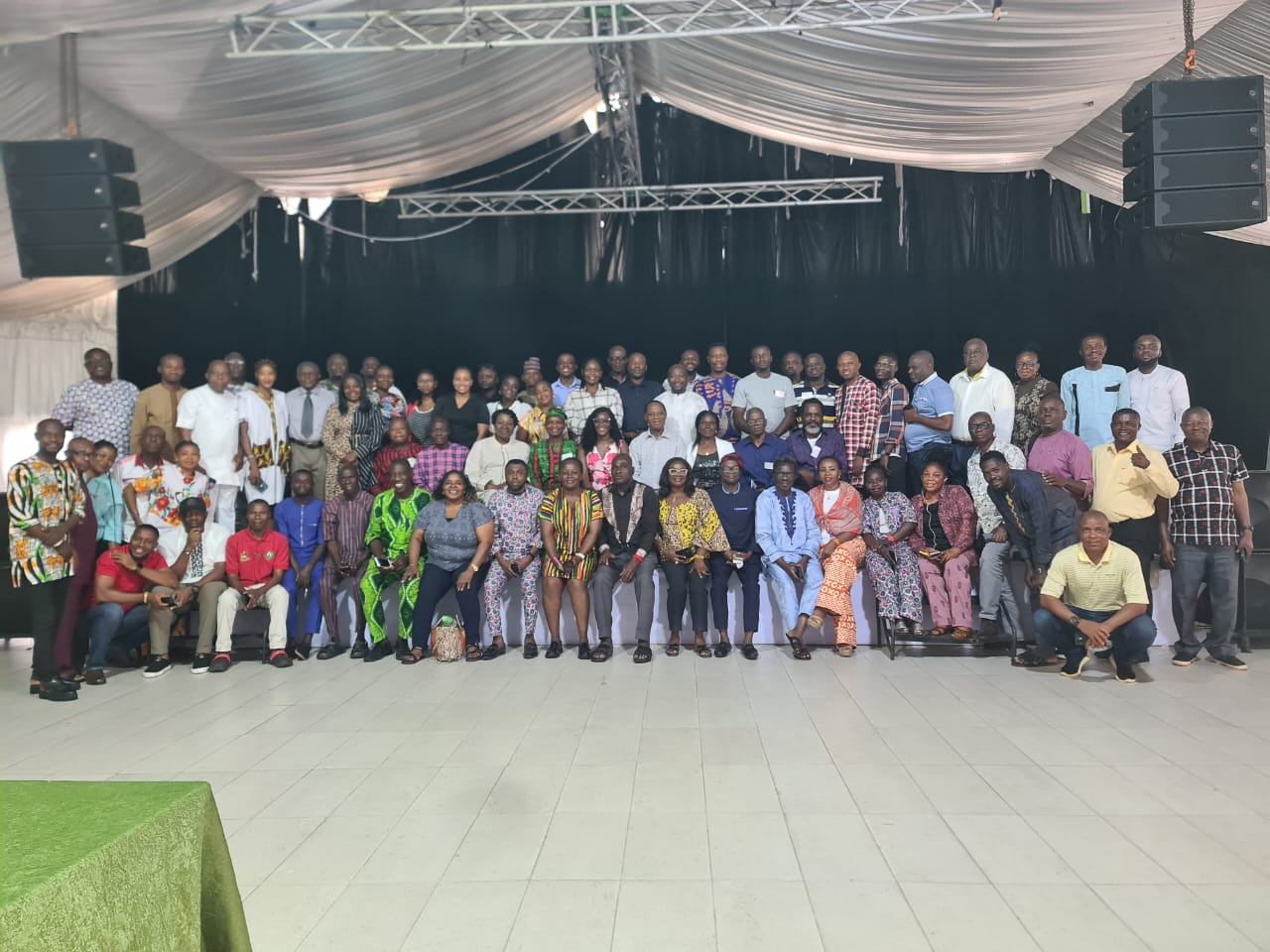
The United Nation Children’s Fund, UNICEF, in collaboration with the federal Ministry of information and Orientation through the Child rights information Bureau (CRIB) has organized a Two-day training workshop for media practitioners on Ethical Journalism and Child rights Reporting.
The participants were drawn from South South, South East and North Central zones of Nigeria.
Speaking at the workshop held in Port Harcourt on Wednesday , the Permanent Secretary of the Ministry, Mr. Chinasa Ogbodo Nnam, stated that the workshop brings together journalists, media practitioners and advocates who play vital roles in shaping public understanding, influencing attitudes and protecting the most vulnerable members of the society.
The Permanent Secretary who was represented by Mr. Temitoye Falayi at the programme, said the aimed of training the journalists was to enable them reflect on their ethical obligations as journalists, explore best practices for reporting on children’s issues and strengthen their understanding of child rights as enshrined in national laws and international conventions.
UNICEF Country Representative, Wafaa Saeed in his keynote address averred that the media has the power to amplify the voices of children, highlighting their struggles, and bring to attention issues that affect their well-being as vulnerable entity in the society.
Saeed pointed out that the two-day workshop would strengthen the capacity of the trainees to enhance the critical role journalists play in shaping public perception and influencing the well-being of children.
The UNICEF Country Representative who was represented by the Chief of the UNICEF Port Harcourt Field Office, Dr. Anslem Audu, urged media practitioners to always report children issues, and stories around them that could have a lasting impact on their lives.
“Ethical reporting protects the vulnerable, especially children. This is a point close to my heart and the work of our organization (UNICEF). Children are not miniature adults, they are vulnerable, their minds are impressionable, and their futures are shaped by how we represent them.
“I’m not blind to the challenges you face. You operate under various pressures, security threats, and sometimes, immense political pressure. The temptation to sensationalize, to take shortcuts, or to bow to influence is real.
“But it is precisely because of these challenges that your ethical commitment to reporting, especially of children, matters more, not less. Your courage to report truthfully and fairly is a profound act of patriotism.
“UNICEF’s Commitment to Ethical Reporting. At UNICEF, we believe in the importance of ethical reporting on children. We work with journalists to build capacity, provide training and resources to enhance knowledge and skills.
“Ethical reporting on children is not just a moral imperative; it’s a professional obligation. By working together, we can create a safer, more supportive environment for Nigeria’s children to thrive”.
Director, special programme, Nigerian Institute of Journalism, Lagos state, Dr. Jide Johnson, Communication Advocacy and development consultant, Dr. Geoffrey Njoku, Communication expert, Dr. Lekan Sote and the Head of Department (HOD), Film and Multimedia studies, Faculty of Mass Communication, University of Uyo, Akwa Ibom state were the resource persons at the workshop.
End